
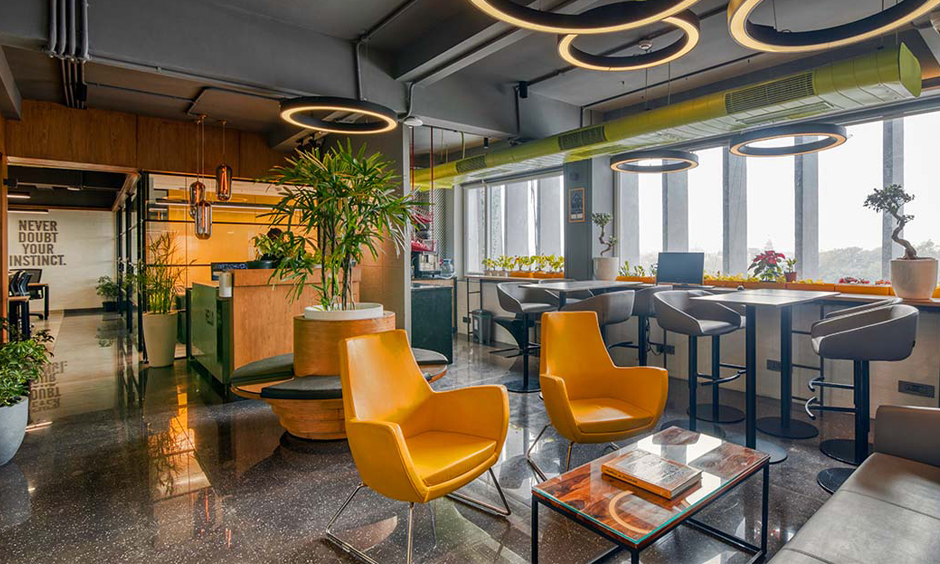
Introduction
In today’s competitive business environment, the way a space looks and functions plays a crucial role in shaping customer perception, employee productivity, and overall brand identity. Commercial interior design is no longer just about aesthetics—it is about creating environments that support business goals, enhance user experience, and leave a lasting impression.
Whether it’s an office, retail store, showroom, restaurant, or hospitality space, design has the power to influence behavior, improve efficiency, and elevate the overall experience. A well-designed commercial space is not just seen—it is felt.
This blog explores the importance of commercial interior design, key elements involved, and how thoughtful design can transform a business environment into a powerful asset.
1. What is Commercial Interior Design?
Commercial interior design focuses on designing spaces used for business purposes. Unlike residential design, it prioritizes:
- Functionality
- Brand identity
- User experience
- Efficiency
These spaces include:
- Offices
- Retail stores
- Showrooms
- Restaurants and cafes
- Hotels and hospitality spaces
👉 The goal is to create a space that not only looks professional but also supports the business operations effectively.
2. Why Commercial Interior Design Matters
Many businesses underestimate the impact of design. However, a well-designed space can directly influence success.
🔹 First Impressions Matter
Your space is often the first interaction customers have with your brand. A well-designed environment builds trust instantly.
🔹 Enhances Customer Experience
The layout, lighting, and ambiance affect how customers feel and interact within the space.
🔹 Improves Employee Productivity
A well-planned workspace can boost efficiency, comfort, and motivation.
🔹 Reflects Brand Identity
Design communicates your brand values without words.
👉 Good design is not an expense—it’s an investment.
3. Understanding the Purpose of the Space
Every commercial space has a different purpose, and design must align with it.
Examples:
- A retail store should attract and engage customers
- An office should promote productivity
- A restaurant should create an inviting atmosphere
👉 Design decisions should always be driven by the function of the space.
4. Space Planning & Layout Optimization
Space planning is the backbone of commercial design.
Key Focus Areas:
- Efficient movement flow
- Optimal use of available space
- Clear zoning for different functions
For example:
- Offices need collaboration zones and private areas
- Retail stores need smooth customer flow
- Restaurants need balanced seating arrangements
👉 Poor layout can negatively impact both experience and efficiency.
5. Branding Through Design
Your space should visually communicate your brand.
How Design Reflects Branding:
- Color schemes aligned with brand identity
- Material selection reflecting brand personality
- Consistent design language
👉 A strong brand presence creates recognition and trust.
6. Lighting: Creating the Right Ambience
Lighting is one of the most powerful tools in commercial design.
Types:
- Ambient lighting for general visibility
- Task lighting for specific functions
- Accent lighting for highlighting elements
Impact:
- Influences mood
- Enhances product visibility
- Improves productivity
👉 Good lighting can transform an average space into an exceptional one.
7. Furniture & Ergonomics
Furniture should not only look good but also function well.
Key Considerations:
- Comfort
- Durability
- Space efficiency
For offices:
- Ergonomic chairs
- Functional desks
For retail:
- Display-friendly fixtures
👉 Functional furniture improves both user experience and efficiency.
8. Material Selection & Durability
Commercial spaces experience heavy usage, so materials must be:
- Durable
- Easy to maintain
- Cost-effective
Common Materials:
- Laminates
- Metal finishes
- Glass
- Engineered wood
👉 Quality materials ensure long-term value.
9. Technology Integration
Modern commercial spaces integrate technology seamlessly.
Examples:
- Smart lighting
- Digital displays
- Automated systems
👉 Technology enhances both functionality and user experience.
10. Creating Customer-Centric Spaces
Customer experience is at the heart of commercial design.
Focus Areas:
- Easy navigation
- Comfortable environment
- Engaging layout
👉 A positive experience increases customer retention.
11. Flexibility & Future Readiness
Business needs evolve, and spaces should adapt.
Design Approach:
- Modular layouts
- Flexible furniture
- Scalable designs
👉 Future-ready spaces save time and cost.
12. Acoustics & Comfort
Often overlooked, acoustics play a vital role.
Importance:
- Reduces noise distractions
- Improves concentration
- Enhances comfort
Especially important in:
- Offices
- Restaurants
- Meeting rooms
13. Safety & Compliance
Commercial spaces must meet safety standards.
Includes:
- Fire safety
- Proper ventilation
- Accessibility
👉 Safety is non-negotiable.
14. Sustainability in Commercial Design
Businesses are moving towards eco-friendly design.
Practices:
- Energy-efficient lighting
- Sustainable materials
- Waste reduction
👉 Sustainable design reflects responsibility and modern values.
15. Cost vs Value in Design
Cutting costs in design often leads to:
- Poor quality
- Frequent repairs
👉 Investing in good design ensures long-term benefits.
16. Common Mistakes to Avoid
- Ignoring functionality
- Overdesigning
- Poor lighting
- Lack of planning
- Compromising quality
17. The Role of Professional Designers
Professional designers bring:
- Expertise
- Planning skills
- Execution capability
👉 They ensure your vision is executed properly.
18. The Importance of Execution
Design is only as good as its execution.
Focus:
- Quality control
- Timely delivery
- Attention to detail
👉 Execution defines the final outcome.
19. Measuring Success of Design
A successful commercial space:
- Attracts customers
- Improves efficiency
- Enhances brand image
20. Final Thoughts
Commercial interior design is not just about creating a visually appealing space—it is about building an environment that supports business growth and delivers a meaningful experience.
🔥 Conclusion
In today’s world, where competition is high and attention spans are short, your space can become your strongest advantage.
A well-designed commercial environment:
- Communicates your brand
- Enhances user experience
- Drives business success
At Bourbon Interiors, the focus is on creating spaces that are not only functional and refined but also aligned with your business goals.
Leave a comment